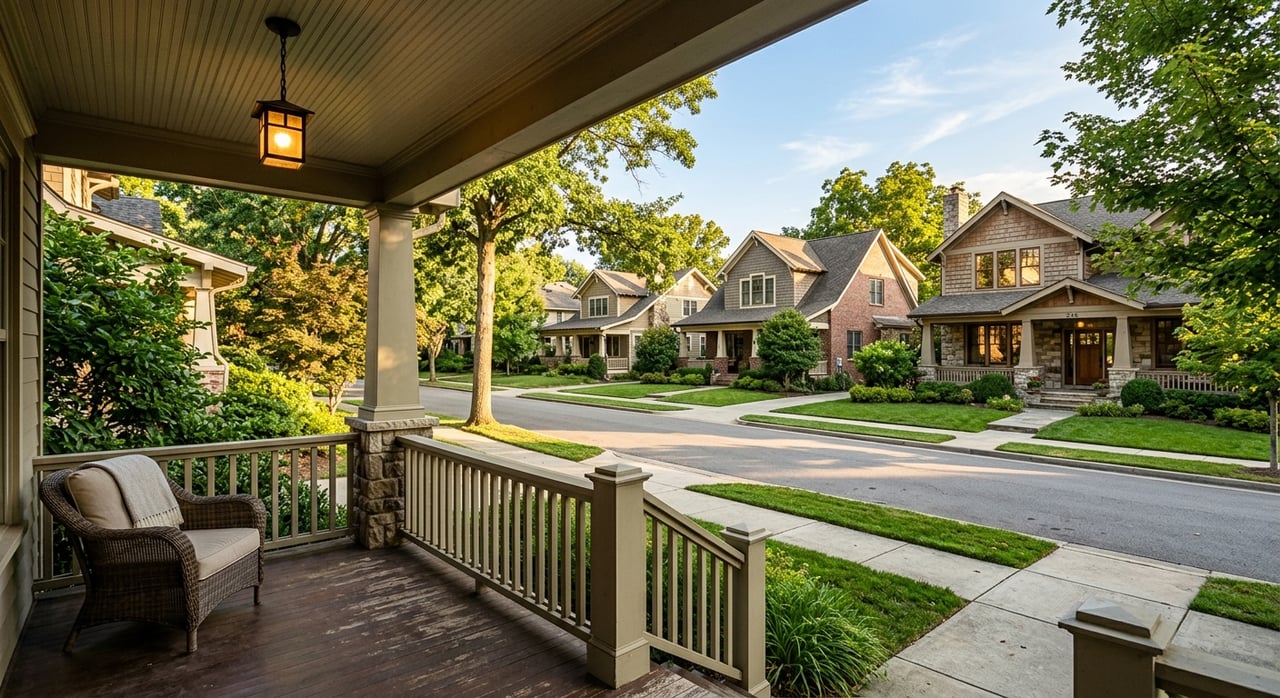
Looking for a suburb where everyday life feels convenient, active, and connected? Meridian stands out for exactly that reason. If you are thinking about buying a home here, it helps to know what daily routines actually look like beyond listing photos and price points. This guide will walk you through what it feels like to live in Meridian’s suburban neighborhoods, from parks and pathways to commutes, housing, and community events. Let’s dive in.
What Meridian life feels like
Meridian is one of the fastest-growing cities in Ada County, with an estimated population of 139,740 as of July 1, 2024, according to the U.S. Census Bureau. That growth helps explain why so many buyers keep Meridian on their shortlist.
At the same time, Meridian still holds onto a distinctly suburban rhythm. Census data shows that 25.0% of residents are under 18, the average household size is 2.69 people, and 74.6% of housing units are owner-occupied. In practical terms, that often translates to neighborhoods shaped by homeownership, local routines, and long-term living.
Parks shape daily routines
One of the clearest parts of everyday life in Meridian is access to outdoor space. The city lists 25 parks, and that park network plays a big role in how neighborhoods function day to day.
Instead of feeling disconnected, many suburban areas in Meridian are tied to nearby green space, play areas, and walking routes. That gives you more options for an evening walk, weekend outing, or casual meet-up without needing to plan a full day around it.
Regional parks add variety
Several of Meridian’s larger parks act as lifestyle anchors for nearby neighborhoods. Settlers Park includes a splash pad, universally accessible playground, stocked fishing pond, pathways, tennis and pickleball courts, and a seasonal disc golf course.
Julius M. Kleiner Memorial Park offers another major gathering space with an amphitheatre, community garden, fishing ponds, splash pad, pickleball courts, public art, and seasonal disc golf. In south Meridian, Discovery Park adds a playground, splash pad, zip lines, skatepark, bike park and pump track, softball fields, paved walking paths, and a performance stage.
Neighborhood parks support convenience
Meridian also has smaller parks woven into residential areas. Bear Creek Park is a 19-acre community park in southwest Meridian adjacent to the Bear Creek subdivision, while Seasons Park is a 7-acre neighborhood park off Black Cat Road between Ustick Road and Cherry Lane.
For you as a buyer, that matters because neighborhood parks often become part of your normal routine. They are the kind of places that make it easier to spend time outside close to home rather than always driving somewhere else.
Pathways connect neighborhoods
Parks are only part of the story. Meridian’s pathway system helps connect neighborhoods to parks, businesses, schools, and entertainment areas through a long-range city plan focused on access and connectivity.
According to the city, Meridian has more than 60 miles of pathways, including some wide detached sidewalks through neighborhoods. That contributes to the suburban feel many buyers want: space to move around, room for walks or bike rides, and more connected daily travel within residential areas.
Driving and commuting in Meridian
If you live in Meridian, your day will likely be shaped by a few major road corridors rather than a dense urban street grid. The city notes that local roads and sidewalks are maintained by the Ada County Highway District, while the Idaho Transportation Department maintains I-84 and state highways including Chinden Boulevard, Kuna-Meridian Road, and Eagle Road north of the interstate, as outlined on the city’s traffic and maintenance page.
That road pattern gives Meridian a car-friendly, commuter-oriented setup. The Census Bureau reports a mean travel time to work of 22.4 minutes, which helps show why many buyers see Meridian as a practical place to balance neighborhood living with access to the rest of the Treasure Valley.
What that means for buyers
When you tour homes in Meridian, commute patterns should be part of the conversation. A home’s location near your most-used routes can affect your daily experience just as much as square footage or finishes.
This is especially important if you are choosing between established subdivisions and newer areas. Two homes might look similar on paper, but their access to parks, major roads, and regular errands can create very different routines.
Community events add local connection
Meridian’s suburban lifestyle is not only about houses and roads. The city also has a strong lineup of recurring community events that help shape the local calendar.
According to the city’s events page, recurring events include Meridian Main Street Market, Kleiner Park Live, National Night Out, Concerts on Broadway, Trunk or Treat, Christmas in Meridian, and the Winter Lights Parade & Christmas Tree Lighting. The city also hosts civic and community-centered events like Coffee with the Mayor and Town Hall gatherings.
These events give residents regular ways to get out, enjoy public spaces, and feel plugged into the community. If you are moving from outside the area, that kind of event calendar can make a new place feel easier to settle into.
Housing in Meridian neighborhoods
Meridian’s suburban appeal comes with a market that generally sits in the mid-$500,000s. The U.S. Census Bureau reports a median owner-occupied home value of $531,600, which lines up with the broader market picture in recent housing data.
For buyers, that means Meridian often feels more like a long-term or move-up market than a starter-home-only market. Census figures also show a median household income of $100,795 and a median gross rent of $1,805, which helps frame the city as a place where many households are thinking in terms of stability, ownership, and staying power.
Home types and neighborhood patterns
Meridian is often associated with detached single-family homes, but the market also includes a mix of housing types. The research report notes variety that can include single-family homes, townhouses, and condos or co-ops.
That range gives you a few different entry points depending on your goals. Some buyers want a more established subdivision with mature surroundings and nearby neighborhood parks, while others are drawn to newer parts of Meridian that connect to larger regional parks and active-use amenities.
Why Meridian appeals to long-term buyers
When you step back, Meridian’s suburban neighborhoods tend to offer a combination many buyers are looking for: owner-heavy areas, strong park access, connected pathways, practical commuting options, and an active community calendar. Those features support everyday life, not just occasional recreation.
That is often what makes Meridian feel livable in a lasting way. You are not only buying a house here. You are also choosing how errands, outdoor time, commuting, and community activities fit into your week.
How to evaluate the right neighborhood fit
If Meridian is on your radar, it helps to look beyond the home itself and think about your routine. A smart neighborhood search usually includes questions like:
- How close do you want to be to parks and pathways?
- Which roads will you use most often during the week?
- Do you prefer a more established subdivision or a newer area?
- What housing type fits your budget and long-term plans?
- How important are nearby community events and public gathering spaces?
These are the kinds of details that turn a good home search into a better long-term decision. The right fit is usually about both the property and the pattern of life around it.
If you are thinking about buying or selling in Meridian, working with an advisor who understands both neighborhood lifestyle and the numbers behind the decision can make the process much clearer. When you are ready for steady, local guidance, connect with Clint Foote.
FAQs
What is everyday life like in Meridian, Idaho suburban neighborhoods?
- Everyday life in Meridian often centers on homeownership, neighborhood routines, parks, pathways, driving convenience, and city-run community events.
How many parks are in Meridian, Idaho?
- Meridian currently lists 25 parks, including neighborhood parks and larger regional parks with amenities like splash pads, courts, and walking paths.
Are Meridian, Idaho neighborhoods connected by walking paths?
- Yes. The city says Meridian has more than 60 miles of pathways designed to connect neighborhoods with parks, businesses, schools, and entertainment destinations.
What is the average commute time for Meridian, Idaho residents?
- The U.S. Census Bureau reports a mean travel time to work of 22.4 minutes for Meridian workers.
What do homes cost in Meridian, Idaho?
- A helpful benchmark is the Census Bureau’s median owner-occupied home value of $531,600, which supports the broader view of Meridian as a market centered around the mid-$500,000s.
Are Meridian, Idaho neighborhoods good for long-term homeownership?
- Meridian’s high owner-occupancy rate of 74.6%, along with its parks, pathways, and community amenities, supports its appeal for buyers looking for a long-term home base.