Worried an appraisal or inspection could slow down your Caldwell home sale? You are not alone. Many sellers are unsure what these appointments really involve, what buyers and lenders may flag, and where to spend money before listing. The good news is that smart prep usually has less to do with major upgrades and more to do with access, safety, and fixing visible issues that can create delays. Let’s dive in.
Appraisals and inspections are different
An appraisal and a home inspection serve different purposes, so it helps to prepare for each one with the right expectations.
An appraisal is an opinion of value used by a lender. It typically looks at your home in relation to similar recent sales, along with facts like square footage, bedroom and bathroom count, and year built. A home inspection is a visual review of accessible areas and systems. It does not set market value.
That difference matters because a clean inspection does not guarantee a certain appraised value, and a strong appraised value does not mean an inspector will not note repairs. If you understand both, you can focus your time and budget where it counts.
What appraisers usually notice
Appraisers are generally looking at factors tied to value and lender risk. That includes your home’s overall condition, visible defects, access, and how the property compares with similar homes that have recently sold.
For some loan types, property condition carries even more weight. FHA properties must meet standards for being safe, sound, and secure. VA appraisals also include basic property condition and habitability checks. In both cases, visible problems can lead to required repairs or follow-up before closing.
In practical terms, sellers in Caldwell should pay close attention to hazards, deferred maintenance, and anything that could raise concern about safety or structural integrity. A messy closet usually is not the issue. A broken handrail, roof leak, or signs of water problems may be.
What home inspectors usually review
A standard home inspection often covers the roof, exterior walls, windows, doors, walkways, driveways, stairs, decks, railings, grading, drainage, foundation areas, crawl spaces, heating, cooling, plumbing, electrical components, attic insulation, ventilation, and many interior items.
Inspectors typically review only readily accessible areas. They do not move furniture, open sealed surfaces, or inspect hidden conditions. That means your preparation should make key systems easy to reach and easy to see.
General inspections also usually do not cover every possible issue on a property. Wells, septic systems, drainfields, irrigation systems, and underground items may require separate evaluations. That is especially relevant around Caldwell and greater Canyon County, where some rural or edge-of-town properties may have site-specific features beyond a standard inspection.
Focus on access first
One of the easiest ways to prepare your Caldwell home is to improve access. This is simple, low-cost, and often overlooked.
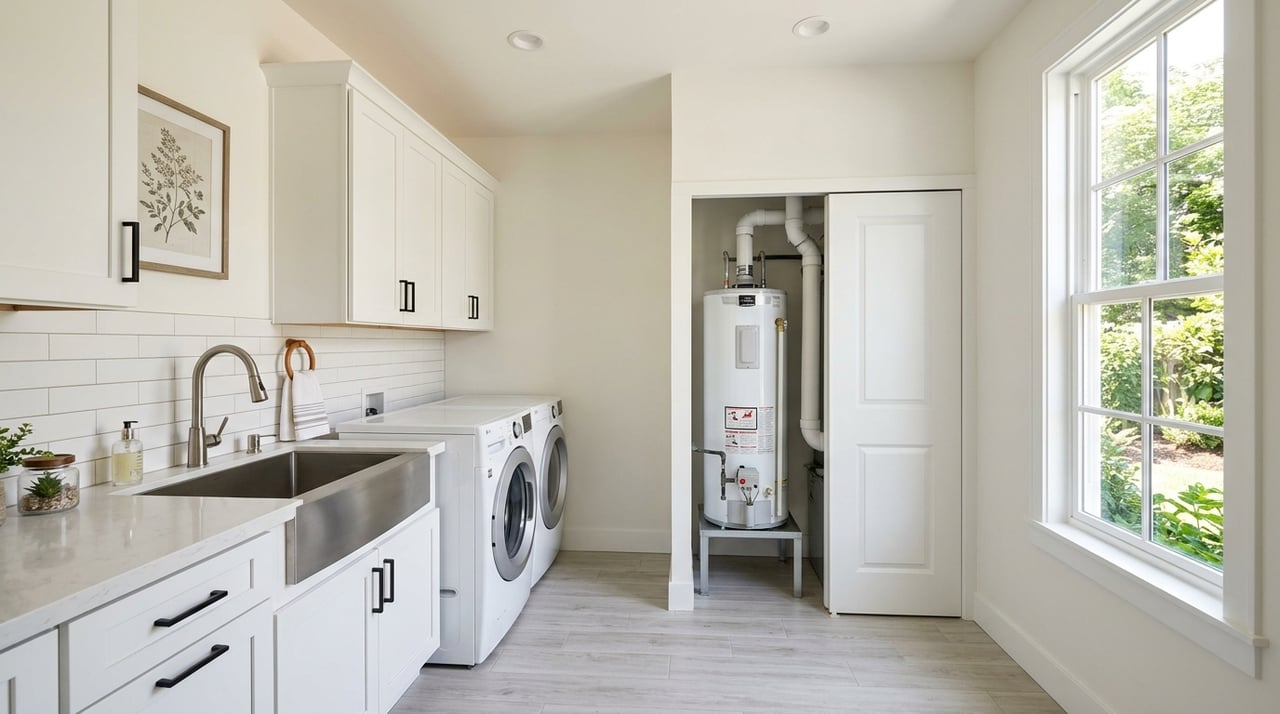
Make sure the inspector can reach attic hatches, crawl-space entrances, the furnace area, water heater, electrical panel, sinks, and garage spaces. If storage boxes, bikes, or furniture block these areas, move them before the appointment.
This step helps in two ways. First, it allows the inspection to move more smoothly. Second, it reduces the chance that limited access becomes a note in the report that triggers extra questions later.
Fix visible issues that can affect closing
If you want to prioritize your prep budget, start with repairs that may trigger a lender condition, buyer concern, or repair request.
Common examples include:
- Active roof leaks
- Loose or unsafe railings
- Drainage that sends water toward the home
- Plumbing fixtures that do not work properly
- Heating systems that do not operate
- Missing smoke detectors or carbon-monoxide detectors
- Obvious electrical issues, such as dead outlets or GFCI problems
These items matter more than most last-minute cosmetic updates. Fresh decor can help with showings, but visible functional problems are more likely to affect negotiations and timelines.
Do not overspend on cosmetic projects
Many sellers assume they need to do a round of cosmetic improvements before an appraisal or inspection. In most cases, that is not the best use of money.
A standard inspection is centered on visible systems and accessible components, not decorating style. An appraisal is tied more closely to comparable sales, home facts, and overall condition than to quick cosmetic touches.
That means small, targeted repairs often deliver more value than a rushed round of nonessential upgrades. If your budget is limited, fix what is broken, unsafe, leaking, or inaccessible first.
Keep records of recent work
Documentation can help your sale stay on track. If you have recently repaired or replaced something, keep the paperwork organized.
Try to gather:
- Repair receipts
- Permit records, if applicable
- Contractor contact information
- Warranty information
- Notes about the timing and scope of the work
This can be useful if a buyer, appraiser, or lender has questions about updates or repairs. It also helps support clear communication during negotiations.
Caldwell sellers should think about property type
In and around Caldwell, homes can vary quite a bit. Some are in established neighborhoods, while others sit on larger lots or near the edge of town with more complex site features.
If your property has a well, septic system, extensive irrigation, or other nonstandard components, it is wise to plan ahead. A general inspection may not fully evaluate those systems, so buyers may order separate inspections. Knowing that early can help you set expectations and prepare for next steps.
This is also where local guidance matters. A home with acreage or rural-style features can involve a different prep strategy than a typical in-town single-family property.
Idaho disclosure matters
Idaho sellers should take disclosure seriously. The Idaho Real Estate Commission points consumers to the Idaho Property Condition Disclosure Act and investigates failures to disclose adverse material facts.
In plain terms, preparation is not just about making the home look better. It is also about being honest and organized about known issues. If there is a material problem, it is better to address it properly and disclose as required than to hope it goes unnoticed.
That approach helps protect your transaction and builds trust with buyers. It can also reduce the risk of surprises late in the process.
Idaho inspections can vary
Idaho does not regulate home inspectors through state licensing, so inspection scope and report style can vary more than many sellers expect.
That does not mean inspections are unreliable. It means buyers may work with inspectors who differ in how they document findings and present recommendations. Since standards and reporting can vary, sellers benefit from being thorough with prep instead of assuming every inspection will feel the same.
The safest approach is to prepare for a careful visual review of all accessible major systems and visible conditions. If something is easy to spot, assume it may end up in the report.
A simple prep checklist for your Caldwell home
If you want a practical starting point, use this checklist before the appraisal or inspection:
- Clear access to attic, crawl space, furnace, water heater, electrical panel, sinks, and garage
- Replace missing smoke detectors or carbon-monoxide detectors
- Test heating and cooling systems
- Fix plumbing leaks or nonworking fixtures
- Address dead outlets or obvious electrical problems
- Repair loose steps, railings, or deck safety issues
- Check for drainage problems near the foundation
- Look for signs of active roof leaks
- Gather receipts, permits, and warranties for recent work
- Be ready to disclose known material issues as required
This kind of prep is usually more effective than scrambling through a long list of cosmetic tasks right before listing.
The goal is fewer surprises
The best way to prepare your Caldwell home for appraisals and inspections is to think like a problem-solver. Ask yourself what visible issue could lead to a repair request, lender condition, or closing delay.
When you focus on access, safety, and obvious defects, you give your sale a better chance of moving forward with fewer surprises. You also avoid wasting money on upgrades that may not change the outcome.
If you want a clear plan for what to fix, what to leave alone, and how to position your home in the Caldwell market, Clint Foote can help you make smart, financially grounded decisions from the start.
FAQs
What is the difference between a home appraisal and a home inspection in Caldwell?
- An appraisal is a lender’s opinion of value based on your home and similar recent sales, while a home inspection is a visual review of accessible systems and conditions that does not determine market value.
What should I fix before a home inspection in Caldwell?
- Focus on visible issues that may affect safety, function, or closing, such as roof leaks, loose railings, drainage problems, plumbing issues, heating problems, missing detectors, and obvious electrical defects.
What do appraisers look for when valuing a Caldwell home?
- Appraisers generally consider comparable sales, home features like size and room count, access, overall condition, and visible issues that may affect value or lender risk.
Do FHA and VA appraisals have stricter property condition standards in Caldwell?
- Yes. FHA and VA appraisals pay closer attention to habitability and property condition, and visible hazards or defects may need to be corrected before closing.
Do standard home inspections in Caldwell cover wells and septic systems?
- Usually not. Standard inspections often do not cover wells, septic systems, drainfields, irrigation systems, or underground items, so separate evaluations may be needed for those features.
Why does disclosure matter when selling a home in Idaho?
- Idaho sellers should disclose adverse material facts as required, and being honest about known issues can help reduce surprises, protect the transaction, and support smoother negotiations.