If you are thinking about living in the center of Boise, downtown offers a very different experience from the city’s more traditional residential areas. It is compact, active, and built for people who want daily conveniences, public spaces, and local events close at hand. If you want a realistic picture of what life feels like there, this guide will walk you through the lifestyle, housing, mobility, and tradeoffs so you can decide whether downtown Boise is the right fit for you. Let’s dive in.
Downtown Boise at a glance
Downtown Boise is less like a typical neighborhood and more like the city’s civic, business, and cultural hub. The City of Boise’s downtown planning documents describe it as Boise’s civic, economic, and cultural heart, anchored by major employers, the Idaho State Capitol, City Hall, historic districts, Julia Davis Park, and Boise State University.
That mix shapes how downtown feels day to day. You are not just living near offices or restaurants. You are living in a part of the city designed to blend housing, work, parks, arts, and public life in one compact area.
Walkability shapes daily life
One of the biggest things you notice about downtown Boise is how easy it is to cover ground on foot. The Downtown Boise Association says its business improvement district spans 60 square blocks, which helps explain why errands, coffee runs, dinner plans, and events can feel close together.
The 8th Street Promenade adds to that experience. This pedestrian-only stretch between Main and Bannock gives downtown a more relaxed, street-level feel and makes walking part of everyday life instead of just a weekend activity.
A more urban rhythm
Boise’s downtown policies actively support a 24-hour urban environment. According to the city’s planning framework, downtown growth is meant to support living near jobs and amenities, with development that encourages walking, biking, and transit over auto-oriented patterns.
In practical terms, that means your day can feel more spontaneous. You may walk to grab coffee, meet friends for dinner, head to a local event, or spend time in a park without needing to plan around a long drive.
Outdoor access is part of the appeal
For many people, Boise’s outdoor access is what makes downtown living stand out. Even though you are in the urban core, you are still close to some of the city’s signature green spaces and trail connections.
The city’s downtown plan highlights Julia Davis Park, Ann Morrison Park, and Kathryn Albertson Park as major riverfront parks connected to the downtown experience. It also notes easy access to the Boise River Greenbelt and Boise Foothills.
Greenbelt access near downtown
The Boise River Greenbelt is one of the most useful daily-life amenities nearby. Boise Parks and Recreation says it includes 25 miles of pathway created to provide public access to the river corridor.
That matters if you like to walk, bike, or get outside without making a special trip. Instead of treating outdoor time as something you drive to, downtown makes it easier to build it into your normal routine.
Parks with culture and activity
Julia Davis Park is especially central to downtown life because it combines open space with museums and Zoo Boise. That blend of recreation and culture fits downtown Boise well. You can move between city energy and quieter outdoor space in a matter of minutes.
Getting around without relying on your car
Downtown Boise is one of the easier places in the Treasure Valley to live with less day-to-day dependence on a car. That does not mean every resident goes car-free, but it does mean you may use your vehicle less often than you would in other parts of the region.
The Downtown Boise Association’s transportation and parking resources point to several mobility options, including garages, bus routes, ride shares, park-and-ride shuttles, bike-share options, and secure BikeBOI storage at 9th and Main.
What that means in real life
If you live downtown, short trips may look different than they would in a suburban setting. You might walk to dinner, bike to the Greenbelt, or use parking garages strategically instead of expecting large private parking areas everywhere you go.
That can be a real plus if you value convenience and flexibility. It can also require an adjustment if you are used to wide streets, easy unloading, or keeping everything car-centered.
Dining, arts, and events keep downtown active
Downtown Boise tends to feel lively because there is more happening than standard office-hour activity. The area has a strong public event calendar, and that gives it more energy in the evenings and on weekends.
One of the clearest examples is First Thursday, when local merchants host food and beverage tastings, art exhibits, trunk shows, live music, family activities, and other programming throughout the district. For residents, that can make downtown feel like a place where there is often something to do just outside your door.
Public art is part of the atmosphere
Arts and history are also built into the downtown experience. Boise Arts & History notes that the city’s public art collection includes more than 1,000 pieces, and its City Steps tours explore Boise’s history and public art.
Downtown also includes well-known cultural stops like Freak Alley Gallery and the Basque Block. Together, those places help give the area a distinct identity that feels creative, local, and visually engaging.
Everyday errands are closer than many expect
A common assumption about downtown living is that it works best only if you eat out all the time. In Boise, that picture is more balanced.
Current downtown listings include the Capital City Public Market, which reports 150+ rotating vendors on Saturdays. Other examples in the research include The Warehouse Food Hall and JD’s Bodega, which offers groceries, salads, sandwiches, beverages, and general goods.
Convenience in a smaller footprint
That does not mean downtown functions like a large suburban shopping district. It does mean you can often combine errands, dining, and recreation in one walkable area.
For many buyers, that convenience is a major lifestyle upgrade. You may give up some space, but you gain proximity and flexibility.
What housing looks like downtown
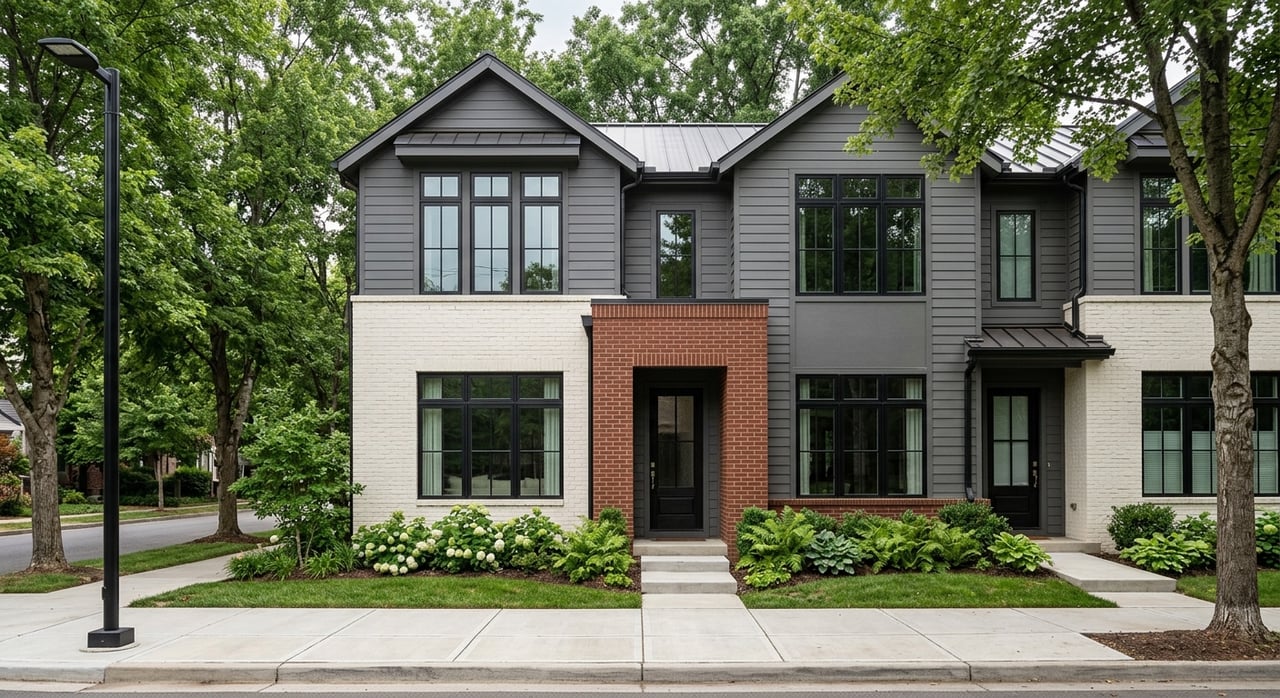
Downtown Boise’s housing mix is broader than some buyers expect. According to the Downtown Boise Association, the area includes single-family homes, apartments, townhouses, condos, and lower-cost options.
The city’s planning documents also note that downtown already includes condos along with some single-family and multi-family residential land. In addition, nearby edge areas such as Westside, Old Boise-Eastside, Parkside, South 8th Street/Cultural District, and River Street are identified as prime places for urban neighborhoods.
Older buildings and newer infill
The housing stock includes a mix of older conversions and newer infill projects. The city references downtown housing efforts that produced developments such as CitySide Lofts, Royal Plaza, Grand Avenue Townhomes, the Jefferson, Aspen Lofts, Gem-Nobel, and R. Grey Lofts.
More current examples cited in the research, such as The Lucy Apartments, The Vanguard Apartments, and Idanha, point to today’s most common patterns. If you buy or rent downtown, you are more likely to see apartment-style living, smaller urban floor plans, and historic mixed-use buildings adapted for residential use.
Who downtown Boise fits best
Downtown Boise is usually a strong match if you want walkability, events, parks, and a more urban lifestyle. If being close to restaurants, art, public spaces, and cultural landmarks sounds energizing to you, the downtown core can deliver a lot in a relatively small footprint.
It can be especially appealing if you are relocating and want to learn Boise from a central location. Living downtown gives you direct access to many of the places and experiences that shape the city’s identity.
When it may not be the right fit
Downtown is not the best choice for everyone. The city’s planning documents acknowledge real urban challenges, including noise, parking, loading and unloading, trash collection, graffiti, property maintenance, and safety concerns.
If you want a large yard, very quiet streets, or a more suburban residential feel, other Boise-area locations may align better with your goals. The right choice depends on how you weigh convenience, space, activity, and day-to-day comfort.
How to decide if downtown matches your lifestyle
If you are considering a move to downtown Boise, it helps to think less about whether it is “good” or “bad” and more about whether it matches how you actually want to live. The downtown core offers a very specific lifestyle, and it works best when that lifestyle lines up with your routines and priorities.
Ask yourself questions like:
- Do you want to walk to dining, events, and parks?
- Are you comfortable with a smaller home or condo footprint?
- Would easy access to the Greenbelt and public spaces improve your day-to-day life?
- Are you okay with some downtown noise and parking tradeoffs?
- Do you want a location that feels active beyond business hours?
If your answers lean yes, downtown Boise may be worth a closer look.
If you are weighing downtown Boise against other parts of the Treasure Valley, working with someone who understands both lifestyle fit and financial tradeoffs can make the decision much easier. Clint Foote offers steady, local guidance to help you compare options, understand the numbers, and find the Boise-area home that fits how you want to live.
FAQs
What is downtown Boise like for everyday living?
- Downtown Boise offers a compact, mixed-use lifestyle where you can live close to parks, dining, events, public art, and major civic spaces, often with the option to walk or bike for daily activities.
Is downtown Boise walkable for residents?
- Yes. The Downtown Boise Association says the district covers 60 square blocks, and features like the 8th Street Promenade help make walking a practical part of daily life.
Does downtown Boise have access to parks and trails?
- Yes. Downtown has access to Julia Davis Park, Ann Morrison Park, Kathryn Albertson Park, and the Boise River Greenbelt, which includes 25 miles of pathway.
What types of homes are in downtown Boise?
- Downtown Boise includes apartments, condos, townhouses, some single-family homes, and a mix of historic conversions and newer infill residential projects.
Is downtown Boise a good fit for buyers who want quiet residential living?
- It may not be the best fit if you want large yards, quieter streets, or a suburban feel, since downtown living comes with more activity and some urban tradeoffs like noise and parking constraints.